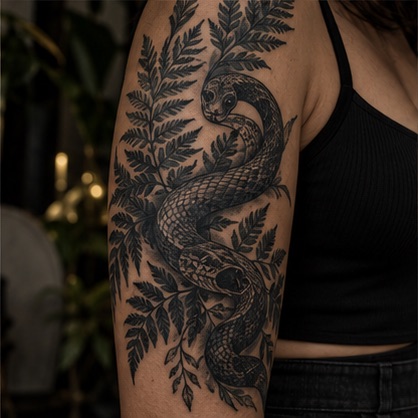
A cover-up consultation works best when an artist can see the real tattoo and understand what you want to change. You do not need a finished design. You need a clear starting point.
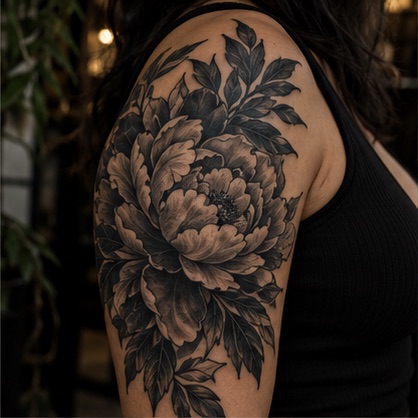
Photograph the tattoo honestly
Use soft, even light. Take a straight-on photo close enough to show the ink, then a wider photo showing the placement on your body. Avoid filters, flash glare and extreme angles. If the tattoo wraps around an arm or leg, include views from each side.
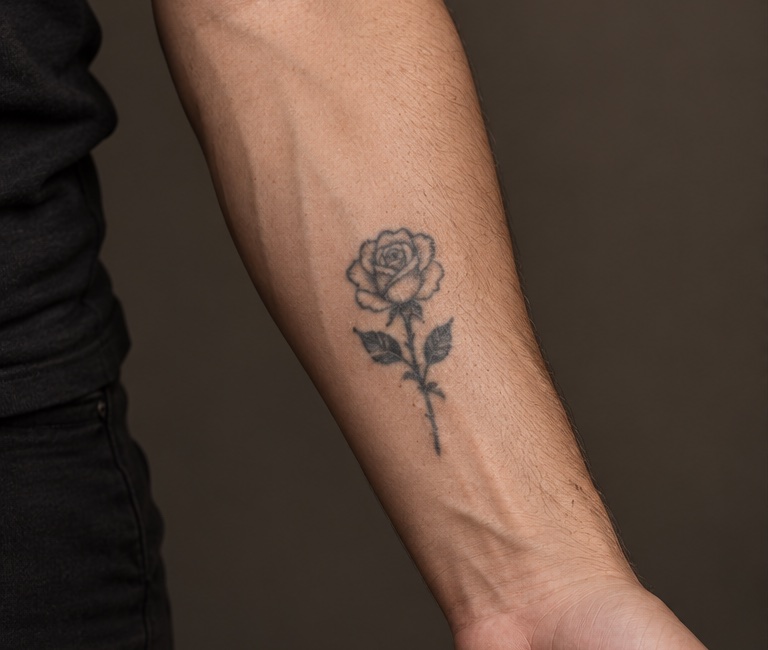
Save a small set of references
Choose three to five references that show the mood, motifs or scale you like. Explain what you like about each image instead of asking the artist to copy it. A note such as “I like the movement of these leaves” gives more direction than a crowded mood board.
Say where you have flexibility
Tell the artist whether you can accept a larger design, deeper contrast, a different motif or laser lightening. Also mention any elements you definitely want to avoid. These boundaries help the artist judge what is realistic.
Ask practical questions
- What parts of the old tattoo will shape the new design?
- How large and dark does the new piece need to be?
- Can you share healed examples of similar cover-ups?
- Would a staged approach or lightening improve the result?
For a quick checklist, see the planning guide. You can also try the planner before your appointment.
What an artist needs to evaluate
A cover-up artist is evaluating more than a subject you want tattooed. They need to know the old tattoo's dimensions, darkness, colors, position on your body, and the condition of the skin. They also need to understand what you are willing to change: size, placement, style, amount of dark shading, and perhaps laser lightening. The more honest your starting information, the more useful the consultation will be.
Measure the old tattoo's widest and tallest points and note whether it wraps around a limb or crosses a joint. Say when it was done, whether it has been touched up or lasered, and whether any parts are raised or scarred. You do not need to diagnose skin changes. Point them out and let the professional decide whether an in-person assessment is needed.
Take photographs that reveal the real ink
Photograph the tattoo in soft daylight without filters or exposure edits. Include a straight-on close image that shows line thickness and filled areas, plus a wider image showing the surrounding body area. For an arm or leg, take several views so the artist can see how the design wraps. A ruler in one image can help establish scale. Keep the body relaxed instead of stretching the skin to make the tattoo look lighter.
Freshly moisturized skin, glare, shadows, and camera smoothing can hide important details. If the artist asks for a different angle or an in-person visit, that is part of making a sound plan. Digital concepts are useful for exploring motifs, but the final drawing should be fitted to the real tattoo and body.
Bring references with a clear explanation
Choose a few references for style, mood, and composition, ideally from artists whose healed work you admire. For each, write one sentence about what appeals to you: the bold silhouette, flowing leaves, limited palette, or open space. Also identify what you do not want. This gives the artist a direction without asking them to copy someone else's tattoo. Include one or two examples you would like even if there were no old tattoo to hide.
Use the tattoo cover-up ideas gallery and style guide to build a shortlist. Then test those ideas against the old tattoo's darkest areas. If the reference is pale and delicate but your old piece is solid black, be ready to discuss a bolder interpretation or a lightening stage.
Set priorities before you discuss the design
Decide what matters most: hiding a recognizable name, keeping the tattoo within a certain area, avoiding a specific motif, preserving a lighter look, or finishing before an event. Some preferences may conflict. A small, pale design may not conceal a wide dark original. Tell the artist which constraints are firm and where you can be flexible. That makes the discussion practical instead of forcing a design that only works in a mockup.
If a new piece needs to be larger, ask to see a body-placement preview. Consider how it will look from normal distance, not only in a close-up image. The best cover-up is a tattoo you want to keep wearing.
Questions about feasibility and healed coverage
- Which parts of the old tattoo will be incorporated into the darkest areas?
- What parts could remain visible after healing, and in what lighting?
- How much larger does the design need to be?
- Can you show healed examples with a similar starting tattoo and skin tone?
- Would another style or a lightening stage give a better result?
A responsible artist may say that your first idea will not produce the coverage you expect. Ask them to explain the constraint and show an alternative. Read our dark tattoo cover-up guide for the main trade-offs before the appointment.
Discuss laser lightening without assuming you need it
Laser lightening may open up more design options when the current tattoo is very dark or your preferred style needs open skin. It also adds cost, appointments, and healing time, and results vary. Ask the artist whether lightening would materially change the design possibilities and which areas matter most. Then get a separate assessment from a qualified laser practitioner about suitability and risks.
Do not commit to a tattoo date before both professionals have assessed the skin after any laser work. A direct cover-up may be suitable if you like a larger, darker piece; lightening may be valuable if you are aiming for a less dense result. The choice should follow the design goal.
Clarify cost, scheduling, and revisions
Ask how the artist charges, what the deposit covers, whether drawing time is included, and how many sessions they expect. Request a range rather than treating an early estimate as a guaranteed final price. Placement, detail, and changes during design can affect the total. If you are comparing artists, compare their healed cover-up work and communication alongside the quote.
Ask when you will see a draft, how revisions work, and whether the artist draws directly on the body at the appointment. Clarify cancellation and rescheduling terms. If laser lightening is part of the plan, budget for it separately and allow healing time before the final design decision.
Plan for aftercare and the final healed result
Before booking, ask what aftercare instructions the artist provides and whether your job, clothing, travel, exercise, or upcoming sun exposure will make healing harder. Follow their guidance for cleaning and protecting the tattoo. If you notice signs of infection or an unusual reaction, consult a healthcare professional. Coverage should be judged after the tattoo has healed, when saturation and skin texture have settled.
Ask whether the artist offers a follow-up review and how they handle touch-ups. The most useful success measure is a clear, wearable design in healed skin, with realistic expectations about any old ink that may still show. The planning guide can help you organize your notes, and the planner can provide a visual starting point for your artist.