A dark tattoo can often be covered, but the answer depends on more than whether the new drawing looks good on a screen. An artist needs to see how much ink is already in the skin, where it sits, and how much room there is around it.
Start with density and placement
A small, faded line drawing gives an artist different options from a solid black shape. Dark areas usually need to become part of the new design’s shadows. The artist may recommend a larger piece so those shadows have a natural place to sit.
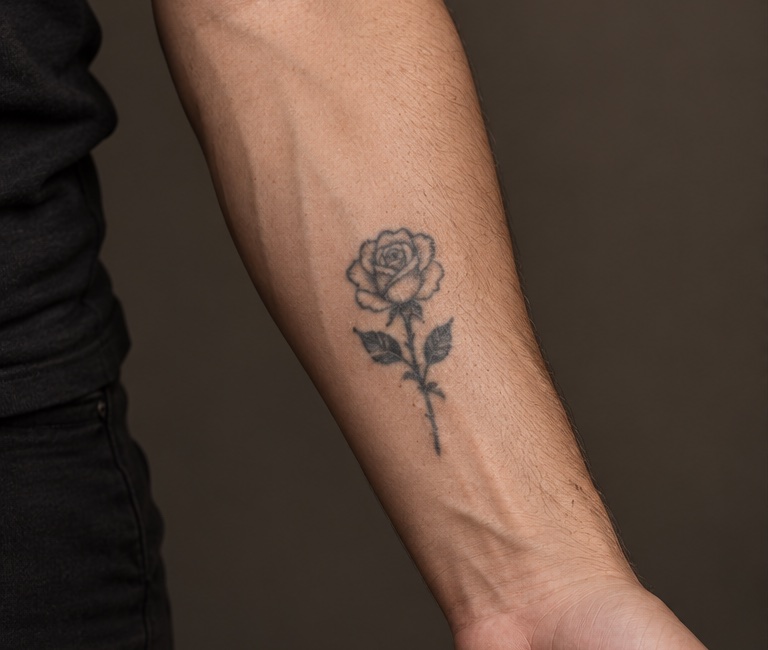
Take one straight-on photo in even light and another that shows the whole body area. Do not brighten or blur the old tattoo before sending it; accurate photos make an initial conversation more useful.
Expect a different shape
A cover-up rarely fits exactly inside the old outline. New motifs, background and movement may extend beyond it. Ask which parts of the existing tattoo will influence the new composition and whether a bolder style would hold up better than very fine detail.
When lightening may help
Some artists suggest laser lightening before a cover-up when the old tattoo is too dense for the direction you want. This is a case-by-case decision. Ask a qualified laser practitioner about suitability, timing and risks, then return to your tattoo artist with the result.
Questions for your consultation
- Which old lines or dark areas will remain visible in the new composition?
- How much larger should the cover-up be?
- Would lightening expand the design options?
- Can you show healed cover-ups of similar density?
Use the planner to explore possible directions, then let your artist make the final design call.
Can a dark or black tattoo really be covered?
Often, yes, but a cover-up is a design problem rather than a promise that every mark will disappear. Existing pigment still sits in the skin. New ink must be composed around its darkest shapes, and the old tattoo can influence what is possible for years after the new piece heals. A compact, solid black tattoo may need a substantially larger design or a lightening stage. A faded tattoo with open space usually gives the artist more room to work. A consultation with clear photographs is the best first test.
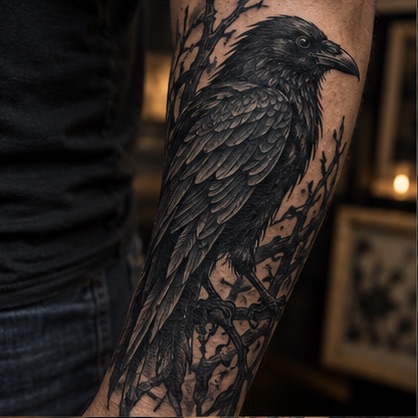
Look at the old tattoo in normal daylight. Note the darkest filled areas, outlines, scarred or raised spots, and any colors that remain vivid. Then consider where the new design could place shadows naturally. A raven's wing, a panther's body, dense foliage, or the deepest part of a wave can accommodate shapes that a pale flower petal cannot. Browse tattoo cover-up ideas with that structure in mind.
What determines whether a cover-up will work?
Ink density matters, but so do size, age, location, texture, and the amount of unused skin around the original. A forearm tattoo that wraps toward the elbow has a different canvas from a flat shoulder piece. Sun exposure and previous touch-ups can also affect how the old ink appears. If skin is raised or scarred, an artist may need to change placement or simplify detail. No online mockup can assess those physical factors reliably.
Color is another constraint. A new bright color does not behave like opaque paint over a black mark. Very dark old lines may show through a pale or lightly shaded area after healing. This is why experienced artists often design the darkest part of the new piece first, then build readable midtones and open skin around it. Ask the artist to explain the planned relationship between each old dark region and the new composition.
Dark tattoo cover-up ideas by design approach
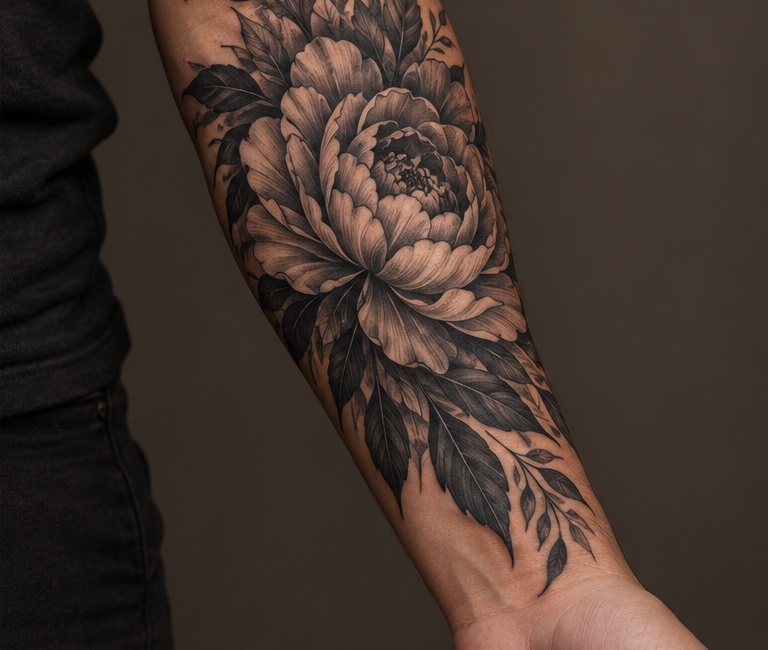
Blackwork and bold illustrative work can turn dense old ink into a deliberate silhouette, provided you like a strong dark result. Botanical designs can use layered leaves, stems, and shaded petals to break an old outline. Japanese-inspired compositions can use water, wind, clouds, and background elements over a broader area. Animal and bird motifs may place an old patch inside fur, feathers, or a shadowed body. None is universally best: the design has to fit your existing ink and your taste.
Be cautious with tiny designs, fine-line flowers, and large areas of pale negative space over dark ink. They may look convincing as digital concepts while giving little coverage in healed skin. See the cover-up styles comparison for where each approach helps and where it becomes restrictive.
Cover-up versus laser lightening
A direct cover-up may be the shorter route when you are comfortable with a larger, darker piece. Laser lightening can be worth discussing when you want more open space, a lighter palette, or a design that the current ink would otherwise limit. Lightening for a cover-up is different from aiming for complete removal: the goal is to give the artist more design freedom. It may take multiple appointments, with healing time between them, and the amount of fading varies.
Start by speaking with a tattoo artist about the design you actually want. If they recommend lightening, consult a qualified laser practitioner about likely response, risks, skin considerations, cost, and timing. Then return to the artist once the skin has healed and the remaining ink can be assessed. Do not schedule the new tattoo against an assumed laser timeline; both practitioners need to confirm readiness.
What does a dark tattoo cover-up cost?
There is no useful universal price. The final cost depends on local artist rates, design complexity, size, placement, and the number and length of sessions. A cover-up can require more planning and surface area than a new tattoo of similar apparent size. If laser lightening is part of the plan, those appointments add a separate expense. Some artists charge for a consultation or drawing time; others apply a deposit to the tattoo.
For a comparable quote, send the same unfiltered photos and approximate measurements to artists whose healed work you like. Ask what is included, how many sessions they expect, whether touch-ups are priced separately, and what could change the estimate. Choose on demonstrated cover-up skill and fit as well as price. A cheap design that leaves an old outline visible may become a more expensive project later.
What should you expect after healing?
Fresh photos can make a cover-up look more saturated and opaque than it will look once healed. Skin settles, dark and light areas change in appearance, and the old tattoo may become more noticeable in some lighting. Ask to see healed cover-ups photographed without filters, ideally on similar skin tone and with similarly dense starting ink. A credible artist can explain where some show-through is possible and whether a later touch-up may help.
Healing also affects how the design reads. Follow your artist's written aftercare instructions, keep the area clean as directed, and avoid picking or scratching. If you have signs of infection or a concerning reaction, contact an appropriate healthcare professional. The artist should assess the finished coverage only after the skin has fully settled, not during the peeling stage.
A practical consultation checklist
- Bring straight-on and wider photos in natural light, plus approximate dimensions.
- Show two or three designs you would happily wear, including examples of healed work.
- Ask which old marks will become shadows and which may remain visible.
- Discuss size, color limits, sessions, total cost, and any lightening option.
- Agree on what a realistic healed result looks like for your skin and tattoo.
For a fuller appointment plan, read how to prepare for a cover-up consultation. You can use the planner to compare visual directions before the conversation, but the artist must adapt the final design to the actual skin and ink.